MINI IVF

A gentler, more affordable approach to IVF rooted in clinical experience and personalized care.

Dr. John Zhang and New Hope Fertility Center are pioneers of Mini IVF™, a revolutionary protocol that concentrates on egg quality rather than quantity. Results compare to that of Conventional IVF, just with less harsh medication.

Book Appointment
Mini IVF In Action

What Is Mini IVF?

Mini IVF is a form of in vitro fertilization that uses significantly lower doses of fertility medication, often 70-90% less than conventional IVF. Instead of aiming for a large number of eggs, this approach focuses on retrieving a smaller number of high-quality eggs, typically 3 to 8 mature eggs per cycle, which are often of better maturity and chromosomal normalcy.

This protocol is ideal for patients who do not want or need aggressive ovarian stimulation, and for those who are looking for a more comfortable, affordable, and sustainable path to pregnancy.

Because it avoids pushing the ovaries to produce 15–20 eggs, Mini IVF typically involves only 5–7 days of stimulation, using oral medications like Clomid or Letrozole, or low-dose gonadotropins. Fewer medications mean fewer injections, fewer monitoring appointments, and often fewer side effects like bloating, fatigue, or mood swings.

Critically, for the right candidates, studies show that Mini IVF success rates are comparable to conventional IVF, particularly when egg quality is prioritized over egg quantity.

Top Benefits of Mini IVF

Less Medications

Mini IVF uses 70-90% fewer hormones, reducing drug burden and discomfort

Fewer Side Effects

Minimal stimulation means lower physical and emotional strain with less risk of OHSS

Lower Cost

With reduced medication and simpler monitoring, Mini IVF can cost 30-50% less per cycle

Gentler Experience

A more natural IVF path with less physical and emotional strain, and fewer disruptions to daily life

Ideal For Low Reserve

Mini IVF is often the best choice for women over 38 or those with diminished ovarian reserve

Better Egg Quality

A focus on healthy, mature eggs can result in stronger embryos and pregnancy potential

Fewer Clinic Visits

Less monitoring appointments, fewer injections, and far less disruption to your daily life

Personalized Protocol

Mini IVF at New Hope Fertility is tailored to your hormonal profile for smarter stimulation

Why Patients Choose Mini IVF

Patients choose Mini IVF because it delivers what truly matters: healthier, more mature eggs with fewer drugs, fewer side effects, and a treatment that respects the body’s limits. This treatment is especially attractive to those who value a natural, body-conscious approach to fertility – one that minimizes disruption and avoids unnecessary drug exposure.

You may be a strong candidate for Mini IVF if you:

  • Are over 38 and seeking a more sustainable fertility option
  • Have been told you have diminished ovarian reserve (e.g., low AMH or high FSH)
  • Previously responded poorly to high-dose stimulation (i.e., “low responders”)
  • Have endometriosis and need a low-hormone approach to minimize symptoms
  • Are pursuing milder treatment after failed conventional IVF
  • Wish to limit medication due to personal, medical, or ethical reasons
  • Are planning to embryo bank or pursue genetic screening over multiple cycles
  • Have blocked or damaged fallopian tubes
  • Are LGBTQ and seeking a personalized fertility plan

Mini IVF vs. Conventional IVF

CONVENTIONAL IVF
NYC

$12,000

Per Cycle

22-30 Injections

Less Quality Eggs

More Invasive

MINI IVF

Starting at
$8,000

Oral pills and 1-2 Injections

6-8 Quality Eggs

Less Invasive

CONVENTIONAL
IVF NATIONAL

$20,000

Per Cycle

22-30 Injections

Less Quality Eggs

More Invasive

Medication and Treatment Timeline Comparison

One of the most important differences between Mini IVF and conventional IVF is the amount of fertility medication used and how stimulation progresses over time. While both approaches follow the same core IVF steps, they differ significantly in medication dosage, injection frequency, and the overall stimulation timeline.

Conventional IVF medication and treatment timeline showing daily injections, monitoring, egg retrieval, fertilization, and embryo transfer
Mini IVF medication and treatment timeline showing lower medication use, monitoring, egg retrieval, fertilization, and embryo freezing

These timelines illustrate how Mini IVF and conventional IVF follow the same core clinical steps (ovarian stimulation, monitoring, egg retrieval, fertilization, and embryo development) but differ primarily in medication intensity and stimulation approach. Conventional IVF typically involves higher daily medication doses over a longer stimulation period, while Mini IVF relies on lower doses and fewer injections, with treatment decisions guided by individual monitoring results.

Dr. John Zhang and Mini IVF

Dr. John Zhang has been a driving force behind the rise of Mini-IVF™ in the United States, pioneering and popularizing this gentler fertility treatment since founding New Hope Fertility Center in 2004. Over the past two decades, he has refined the protocol to focus on retrieving fewer, higher-quality eggs using minimal medication – making IVF less invasive, more affordable, and more accessible to a wider range of patients. His approach has helped thousands of individuals and couples conceive, even when facing challenging conditions due to age, low ovarian reserve, or other complex reproductive factors.

Mini-IVF™ is our trademarked minimal stimulation in vitro fertility treatment that offers a holistic approach and a gentle alternative to Conventional IVF. This reflects our leadership in developing and advancing this protocol and underscores Dr. Zhang’s role in reshaping the landscape of fertility care in the U.S., offering hope to those who may have been overlooked by conventional IVF standards.

Mini IVF Process: Step By Step

A typical Mini IVF cycle takes about two weeks. The Mini IVF process consists of 4 main steps: (1) Ovarian Stimulation, (2) Egg Retrieval and Sperm Collection, (3) Fertilization and Embryo Development, and (4) Embryo Transfer.


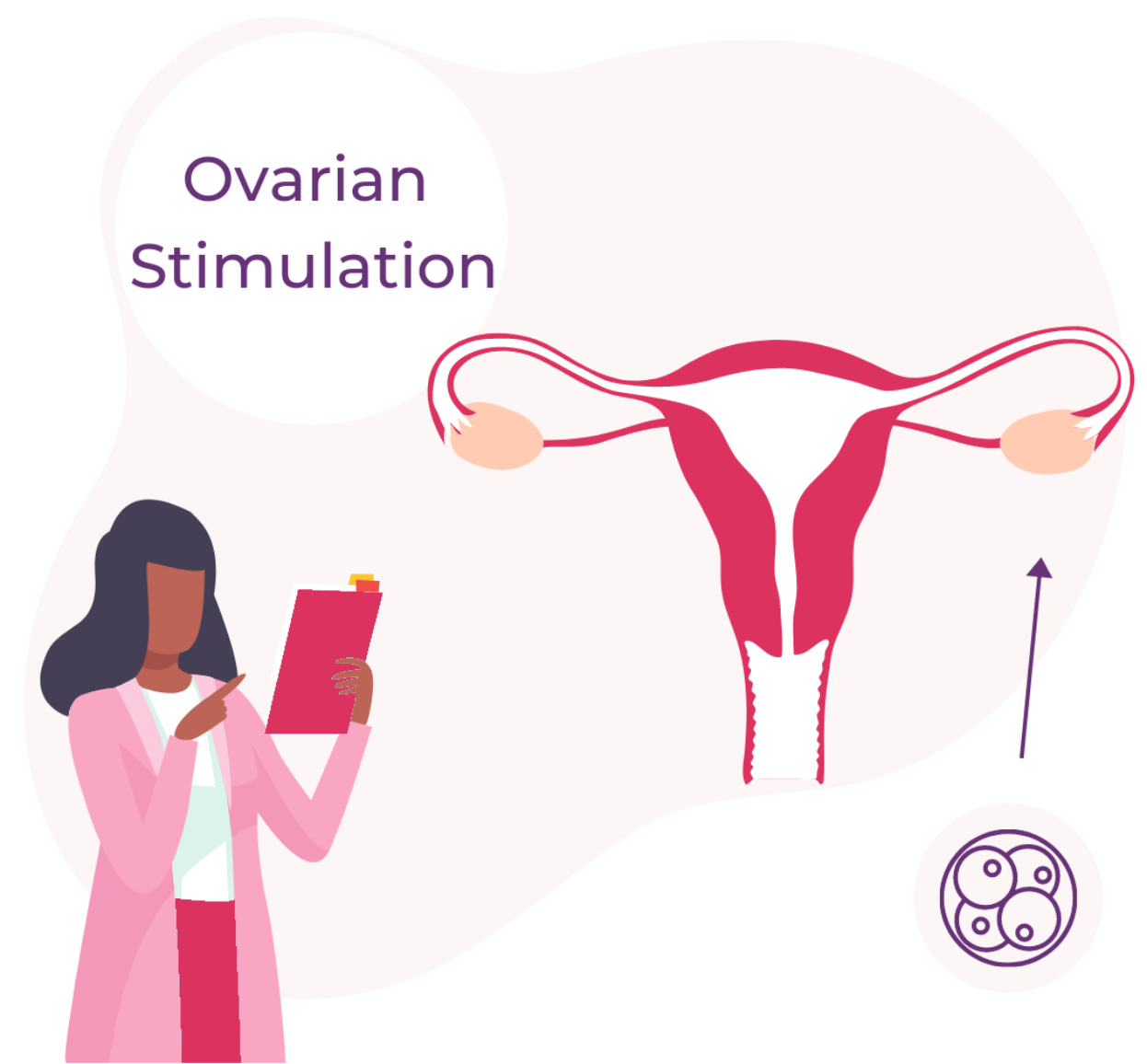
Step 1: Ovarian Stimulation

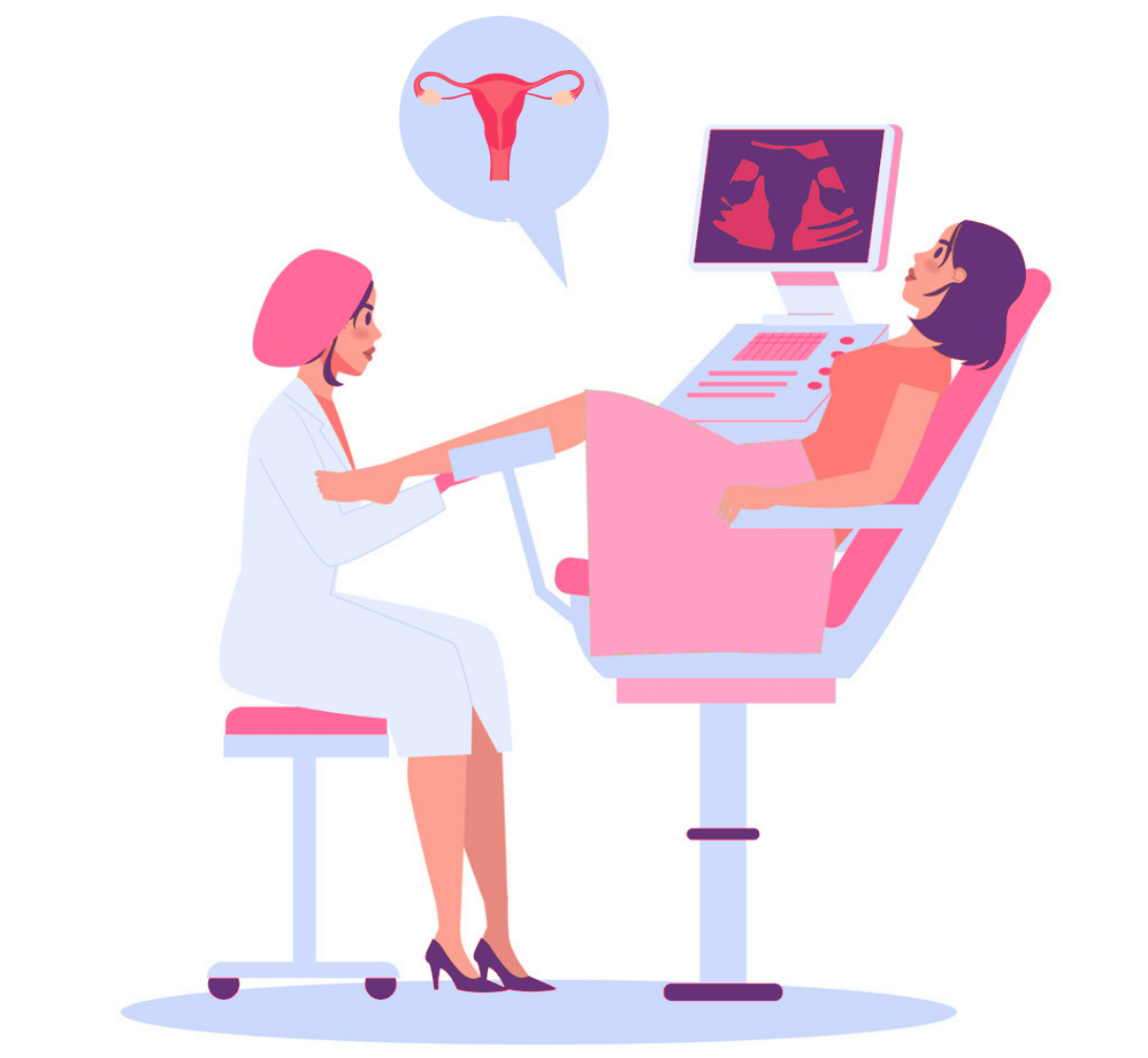
In Mini IVF, ovarian stimulation begins with a gentle regimen of oral medication (typically Clomid) and, if needed, a small number of injections (such as Follistim, Gonal F, or Menopur) to encourage the development of a few high-quality egg follicles. This phase is closely monitored with 5–7 office visits involving ultrasounds to measure follicle growth and uterine lining, and bloodwork to track hormone levels (estrogen, FSH, and LH). A final medication (Lupron) is given 32–38 hours before egg retrieval to trigger ovulation.

Step 2: Egg Retrieval & Sperm Collection

After ovarian stimulation, a precisely timed trigger shot prepares the body for egg retrieval. The eggs are collected 32–38 hours later using a quick, minimally invasive procedure under local anesthesia. At the same time, a sperm sample is provided (or thawed, if frozen). This step is brief but critical, aiming to collect 6–8 high-quality eggs for fertilization.

Step 3: Fertilization & Embryo Development

In the lab, mature eggs are fertilized using either conventional IVF or ICSI (intracytoplasmic sperm injection). The resulting embryos are then monitored over several days to track their growth. The goal is for healthy embryos to reach the blastocyst stage, typically by day 5 to 7, before moving forward with transfer or freezing.

Step 4: Embryo Transfer

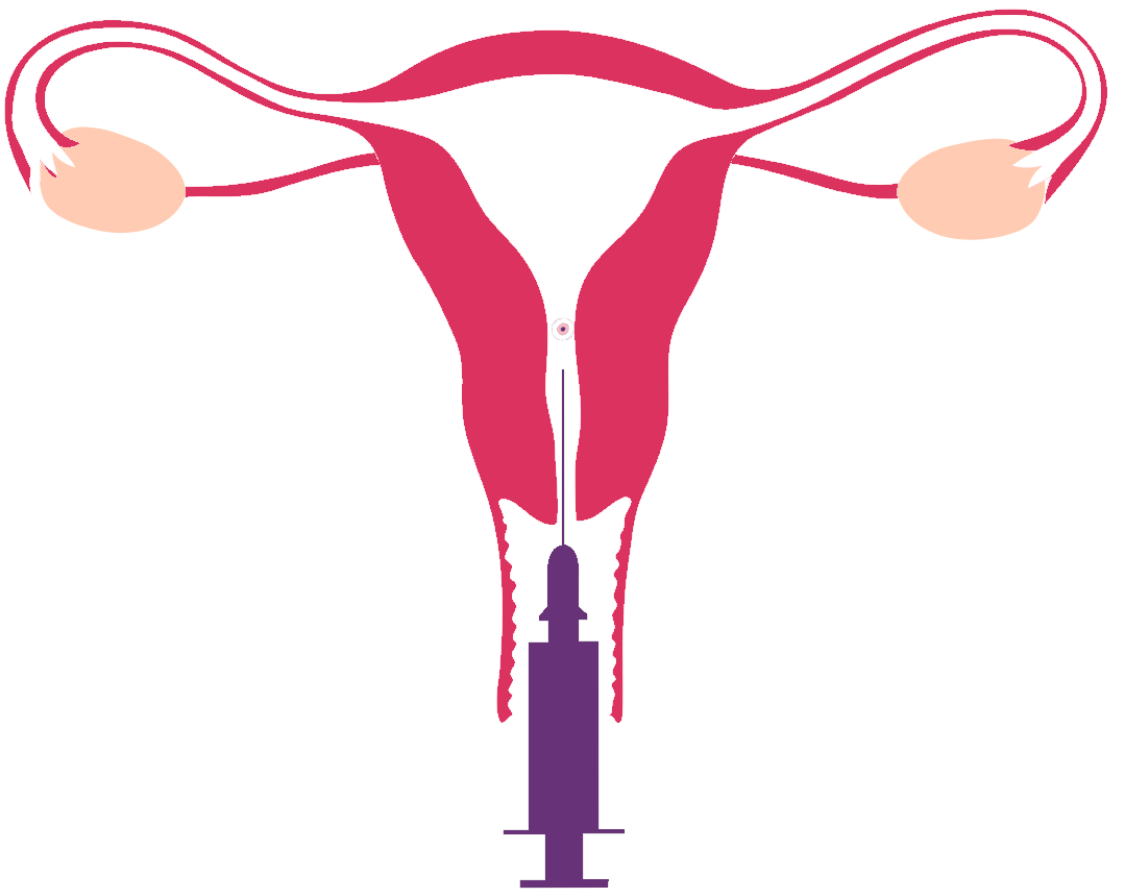
The embryo transfer is a brief, gentle procedure that takes about 15–20 minutes. A thin catheter is used to place the embryo into the uterus, guided by ultrasound. Afterward, patients typically rest in recovery for 30–60 minutes. A pregnancy test is scheduled one week later to confirm implantation.

Mini IVF Success Stories

Mini IVF has helped countless patients become parents, even after other treatments failed. These testimonials reflect the hope and success it can offer.

8 Years of Trying – Then Mini IVF Changed Everything

Michelle and her husband spent nearly a decade trying to conceive and were close to giving up. They came to New Hope unaware that Mini IVF was even an option. With a gentler, more targeted approach, they finally achieved the outcome they long hoped for. Now, they urge others struggling with infertility to try  Mini IVF which offers hope while respecting the body’s natural limits.

FAQs: MINI IVF

Mini IVF often raises important questions for those exploring fertility care. Below are some of the most common ones we hear from patients considering this gentler approach to fertility treatment.

Mini IVF (also called Minimal Stimulation IVF) is a gentler form of traditional IVF that uses lower doses of fertility medication to produce fewer but higher-quality eggs. This more balanced approach reduces side effects and stress while maintaining strong success potential. Many patients choose Mini IVF because it involves less medication, fewer clinic visits, and a shorter 2–2.5-week cycle, yet still promotes a successful pregnancy.

The cost of Mini IVF is typically lower than that of traditional IVF because it uses fewer fertility medications, involves less monitoring, and requires fewer clinic visits. While the exact price can vary depending on your treatment plan, Mini IVF is known for being a more affordable fertility treatment option with a shorter cycle and reduced medication expenses.

Yes. AMH (Anti-Müllerian Hormone) reflects your egg supply, and even women with low AMH can conceive. You only need one good-quality egg to get pregnant. We specialize in helping women with low ovarian reserve and low AMH using Mini IVF. Because Mini IVF focuses on egg quality rather than quantity, it can be an effective option for patients who have not responded well to high-stimulation IVF cycles.

Yes. For patients with PCOS (Polycystic Ovary Syndrome), traditional IVF can sometimes lead to ovarian hyperstimulation (OHSS). Mini IVF uses lower hormone doses, making it a safer and more comfortable option for PCOS patients. By using gentle ovarian stimulation, Mini IVF reduces risks while helping women with PCOS achieve a healthy pregnancy with fewer injections and less hormonal stress.

Mini IVF success rates vary depending on your age, egg quality, and overall fertility health. At our clinic, we maintain a 96.3% embryo survival rate in lab conditions, and our protocols are designed to optimize success even for patients with high FSH, low ovarian reserve, or multiple failed IVF cycles. Genetic testing such as PGT-A or PGT-M can further improve outcomes by selecting the healthiest embryos for transfer.

Yes, it is possible. Patients who have had their tubes tied can often achieve pregnancy through Mini IVF, without needing tubal reversal surgery. Because fertilization happens in the lab and the embryo is transferred directly into the uterus, blocked or damaged fallopian tubes do not prevent pregnancy with Mini IVF. This makes it one of the best options for women who have undergone tubal ligation.

No, genetic testing is not mandatory with Mini IVF, but it is often recommended. Testing embryos through procedures like PGT-A or PGT-M can help identify healthy embryos before transfer. This can reduce the risk of miscarriage, lower the chance of genetic disorders, and help determine the sex of the embryo if desired. Our specialists can guide you on whether embryo genetic testing is appropriate for your unique treatment plan.

TAKE THE NEXT STEP

Whether you are just starting to explore fertility options or feeling discouraged after conventional IVF, Mini IVF may offer the solution you have been looking for. Our gentle, science-driven approach has helped patients conceive when other methods failed -without overmedication or unnecessary stress.

If you are in the research phase, start with these helpful reads to better understand how Mini IVF works and why it may be right for you:

If you are ready to speak with our fertility specialists, schedule a consultation or give us a call today. We are here to help!

Over 15,000 New Hope Babies born since 2006!

Call Now

Request Information